
EDM graphite

EDM graphite is a purpose-engineered graphite material developed specifically for electrical discharge machining, where precision, surface quality, and electrode stability directly affect machining efficiency and mold accuracy. In real EDM production, graphite grade selection often matters more than machine parameters themselves.
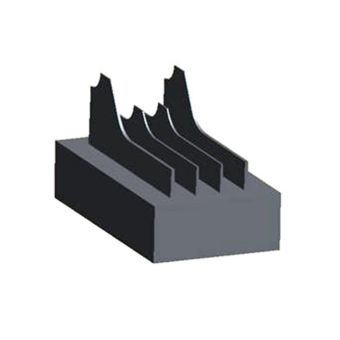
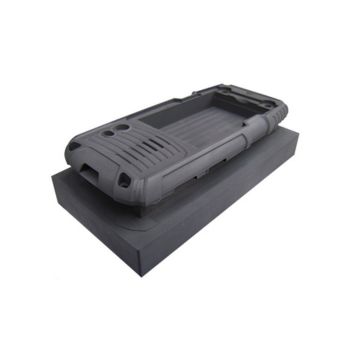
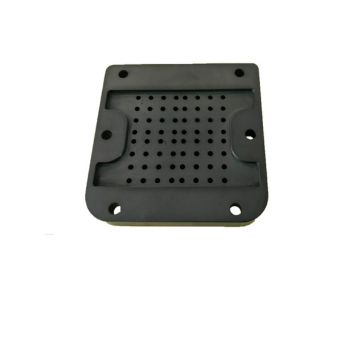
Product Description
EDM graphite is manufactured from high-purity carbon raw materials using controlled molding or isostatic pressing, followed by high-temperature graphitization. Compared with general industrial graphite, EDM grades are optimized for fine grain structure, uniform density, and predictable electrical behavior.
The goal is simple: produce electrodes that machine cleanly, spark consistently, and wear in a controlled manner. When done right, EDM graphite becomes a productivity tool rather than a consumable headache.
Core Performance Characteristics
Fine and Uniform Grain Structure
EDM graphite typically features grain sizes ranging from 3 μm to 15 μm, depending on grade. Finer grains support:
Sharper edge definition
Improved surface finish on workpieces
Reduced risk of edge chipping during machining
For complex cavities and detailed molds, grain size often becomes the deciding factor.
Stable Electrical Conductivity
Consistent resistivity ensures uniform spark distribution during EDM. This leads to:
Predictable material removal rates
Reduced abnormal discharge
More consistent cavity geometry
Actually, unstable conductivity is one of the most common hidden causes of uneven electrode wear.
Controlled Wear Behavior
EDM graphite is designed to wear gradually and evenly. Compared with copper electrodes, graphite offers:
Lower tool wear in many applications
Easier compensation in CNC programs
Better performance in deep or narrow cavities
In finishing operations, predictable wear saves more time than raw cutting speed.
Excellent Machinability
EDM graphite machines easily using standard CNC equipment. It allows:
High feed rates
Minimal tool wear
Clean edges without burrs
This makes electrode production faster and more cost-effective, especially for high-volume mold shops.
Common EDM Applications
Injection Mold Electrodes
Used for producing detailed cavities in plastic injection molds with tight tolerance requirements.
Die Casting Mold Electrodes
Suitable for large electrodes where dimensional stability and wear consistency are critical.
Precision Tooling and Inserts
Applied in high-accuracy tooling where surface finish directly impacts final product quality.
Micro-EDM and Fine Detail Work
Ultra-fine grain grades support sharp corners and small radii in micro-features.
Typical Technical Ranges (Reference)
| Property | Typical Range |
|---|---|
| Grain Size | 3–15 μm |
| Density | 1.75–1.90 g/cm³ |
| Electrical Resistivity | Low, uniform |
| Flexural Strength | High for graphite |
| Ash Content | Very low |
Exact values depend on grade selection.
Grade Selection Guidance
EDM graphite is not one-grade-fits-all. In practice:
Roughing electrodes favor coarser grain, higher strength grades
Semi-finishing balances strength and surface quality
Finishing electrodes require ultra-fine grain for best detail
Suppliers such as Gotrays typically offer multiple EDM graphite grades so shops can match material to machining stage instead of over-specifying everything.
Handling and Machining Notes
Use proper dust extraction—graphite dust is fine and persistent
Dedicated tools help maintain edge quality
Avoid impact loading to prevent micro-cracks
Store electrodes carefully after machining
Actually, poor handling ruins more EDM electrodes than poor material choice.
Packaging and Supply
EDM graphite is commonly supplied as:
Precision-cut blocks
Oversized blanks for CNC machining
Custom dimensions upon request
Protective packaging is used to prevent edge damage during transport.