
graphite crucible for induction furnace

A graphite crucible for induction furnace is a core consumable component designed for stable melting, clean metal handling, and long service life under high-frequency electromagnetic heating. In induction systems, where thermal shock and electromagnetic forces act simultaneously, crucible material quality directly affects melting efficiency, metal purity, and operating cost.
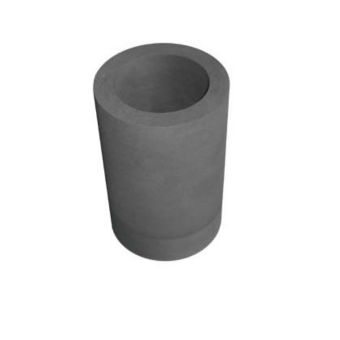
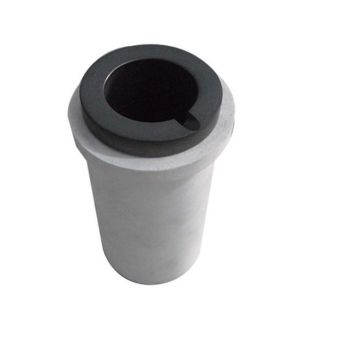
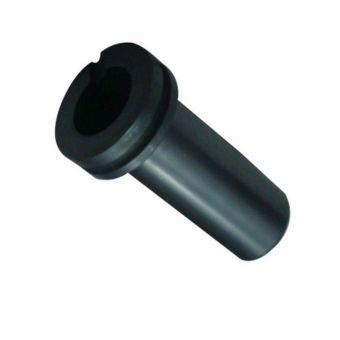
Product Description
Graphite crucibles for induction furnaces are manufactured from high-purity graphite raw materials through controlled forming, baking, and graphitization processes. The resulting structure offers excellent electrical conductivity, thermal stability, and resistance to chemical attack by molten metals.
Unlike fuel-fired furnaces, induction furnaces rely on electromagnetic coupling. Graphite crucibles respond efficiently to this heating method, allowing rapid temperature rise, uniform heat distribution, and precise process control.
In practical production, this means faster melt cycles and fewer interruptions.
Key Performance Characteristics
High Thermal Shock Resistance
Induction furnaces heat rapidly. A suitable graphite crucible must tolerate sudden temperature changes without cracking. The low thermal expansion and strong crystal bonding of graphite help absorb thermal stress during startup and repeated melting cycles.
This is especially important for small- and medium-capacity furnaces with frequent charge changes.
Excellent Electrical Conductivity
Graphite’s natural conductivity enables efficient interaction with the induction field. Heat is generated evenly throughout the crucible wall, reducing hot spots and improving melting uniformity. This contributes to lower energy consumption per melt.
Chemical Stability with Molten Metals
Graphite crucibles show low wettability and good chemical resistance to many non-ferrous metals, including:
Aluminum and aluminum alloys
Copper and copper alloys
Brass and bronze
Precious metals
Reduced metal adhesion helps maintain crucible integrity and minimizes contamination of the melt.
Mechanical Strength at High Temperature
Properly engineered graphite crucibles maintain structural strength even at elevated temperatures. This allows safe handling during charging, pouring, and cleaning operations without premature deformation or failure.
Common Furnace Applications
Graphite crucibles are widely used in induction furnaces for:
Non-Ferrous Metal Melting
Aluminum, copper, zinc, magnesium alloys, and precious metals benefit from graphite’s clean melting environment and rapid heat transfer.
Laboratory and Pilot Furnaces
Small induction furnaces require crucibles with consistent dimensions and predictable behavior, making graphite a preferred choice.
Jewelry and Precision Casting
High-purity graphite crucibles help maintain metal quality and surface finish, especially in gold, silver, and platinum melting.
Standard Specifications (Buyer-Friendly)
Size and Capacity
Graphite crucibles are available in a wide range of standard sizes, typically defined by:
Outer diameter
Height
Wall thickness
Metal holding capacity (kg)
Custom dimensions can be produced to match specific induction coil designs.
Material Options
Depending on operating conditions, customers may choose:
Standard high-density graphite
Fine-grain graphite for longer service life
High-purity grades for sensitive alloys
Suppliers such as Gotrays usually offer multiple grades to match different furnace power levels and melting temperatures.
Service Life Considerations
Crucible lifespan depends on several factors:
Maximum operating temperature
Heating and cooling rate
Type of molten metal
Oxidation control and furnace atmosphere
In actual use, maintaining proper furnace parameters often extends crucible life more effectively than simply selecting the highest-cost grade. Actually, over-specifying the crucible can sometimes increase brittleness without real benefit.