
Graphite ingot mold

A graphite ingot mold is a specialized high-temperature mold used for casting metals into controlled ingot shapes with consistent dimensions, clean surfaces, and high material recovery. In metal production and refining, ingot quality starts with the mold—and graphite remains one of the most reliable materials for this role.

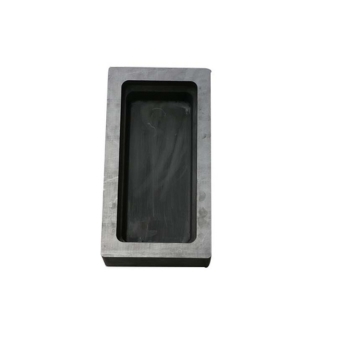
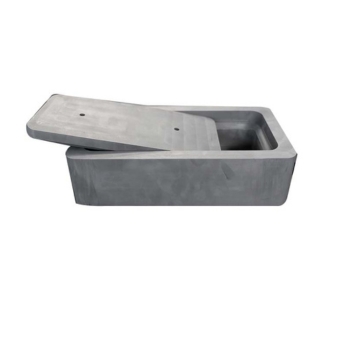
Product Description
Graphite ingot molds are manufactured from high-density graphite or fine-grain graphite materials through precision machining and high-temperature treatment. The mold cavity is designed according to the target ingot size, weight, and metal type, ensuring smooth metal flow and uniform solidification.
Compared with metal or ceramic molds, graphite ingot molds offer better thermal stability, easier release, and lower risk of contamination, especially in repeated casting cycles.
In practical operations, this means fewer surface defects and more predictable ingot geometry.
Key Performance Advantages
Excellent Release Properties
Graphite has naturally low wettability with molten metals. After solidification, ingots separate easily from the mold without sticking, cracking, or tearing.
This significantly reduces demolding time and minimizes ingot surface damage—particularly important for high-value or precision ingots.
High Temperature Resistance
Graphite ingot molds perform reliably at temperatures exceeding 1,000°C in inert or controlled atmospheres. They retain shape and strength during repeated thermal cycles, supporting stable long-term use.
For non-ferrous and precious metal casting, this thermal stability is a major advantage.
Uniform Heat Transfer
Graphite’s good thermal conductivity helps distribute heat evenly during solidification. This promotes:
Consistent grain structure
Reduced internal stress
Lower risk of shrinkage defects
Actually, more uniform cooling often improves downstream forging or rolling performance.
Chemical Stability and Clean Casting
Graphite does not readily react with most molten metals. This minimizes contamination and helps maintain metal purity during casting.
Typical Applications
Non-Ferrous Metal Ingots
Used for aluminum, copper, brass, bronze, zinc, and related alloy ingot casting.
Precious Metal Casting
Widely used for gold, silver, platinum, and palladium ingots due to clean release and high recovery rate.
Metal Refining and Recycling
Suitable for remelting and recasting processes where repeatability and surface quality are required.
Laboratory and Pilot-Scale Casting
Applied in R&D environments for controlled ingot production and alloy development.
Mold Design and Material Options
Mold Geometry
Graphite ingot molds can be supplied as:
Rectangular or square molds
Round or trapezoidal molds
Single-cavity or multi-cavity designs
Mold dimensions are customized based on ingot weight, cooling requirements, and handling method.
Graphite Grade Selection
Depending on operating conditions, buyers may choose:
Standard high-density graphite for general casting
Fine-grain graphite for improved surface finish
High-purity graphite for sensitive or high-value metals
Some suppliers assist with grade selection to balance service life and cost rather than defaulting to the highest specification.
Service Life Influencing Factors
Ingot mold lifespan depends on:
Casting temperature
Heating and cooling rate
Metal type and alloy composition
Atmosphere control during casting
In practice, controlled preheating and gradual cooling extend mold life more effectively than increasing wall thickness alone.