
Graphite plate for electrolysis

A graphite plate for electrolysis is a functional carbon electrode material designed for stable current conduction, chemical resistance, and long-term operation in electrochemical systems. In electrolysis processes—where electrodes are continuously exposed to electric current, electrolyte corrosion, and thermal effects—the choice of plate material directly impacts efficiency, service life, and maintenance cost.
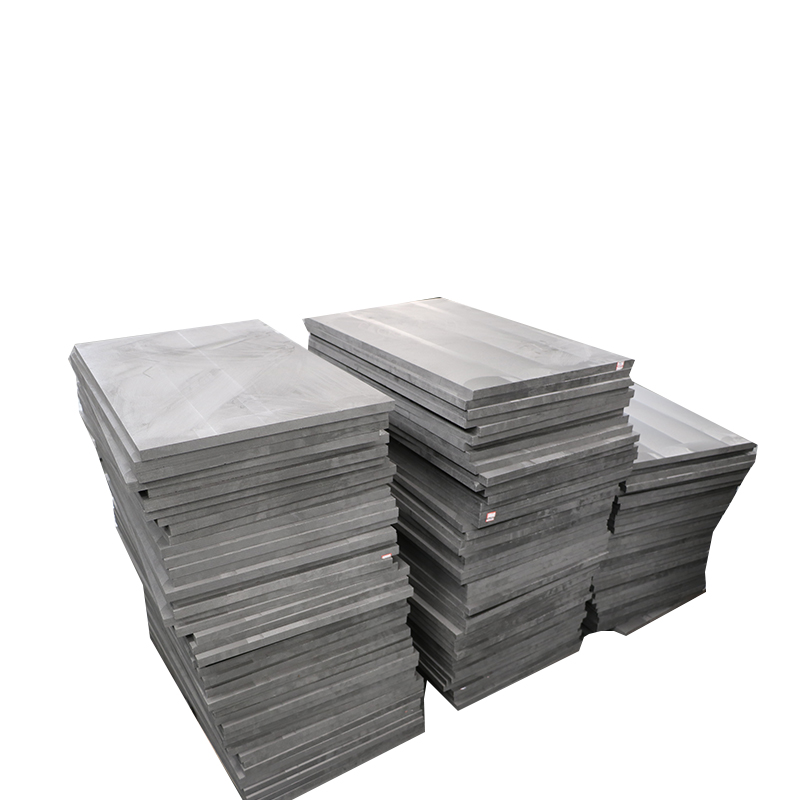
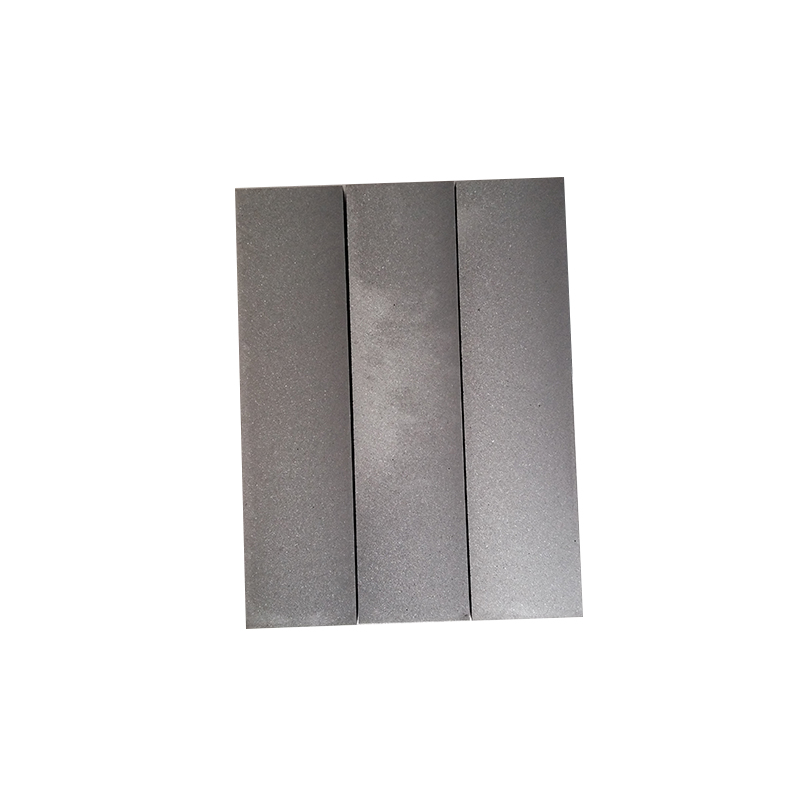
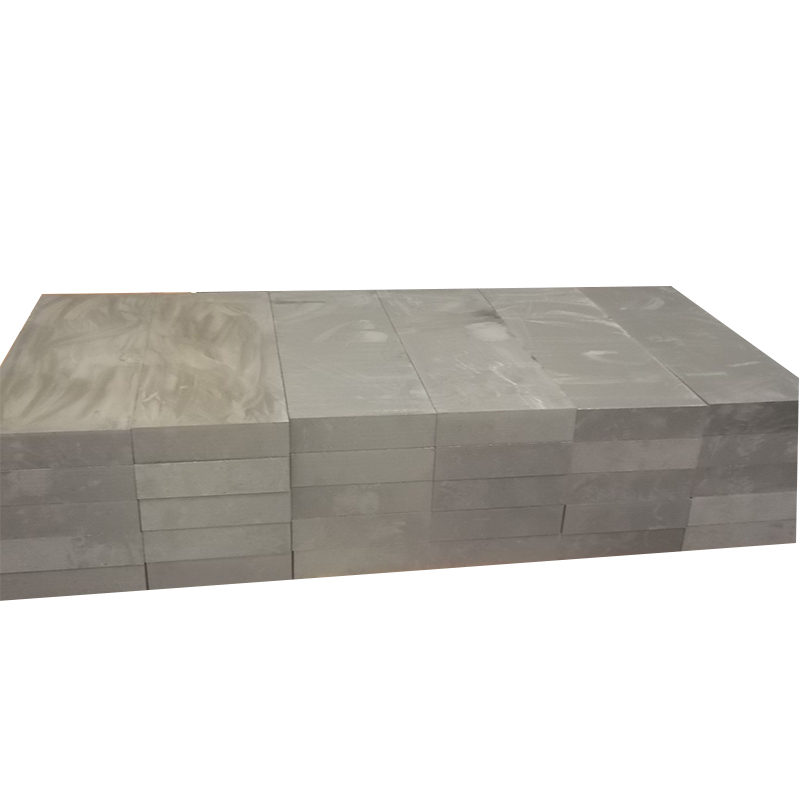
Product Description
Graphite plates for electrolysis are manufactured from high-purity, high-density graphite through precision molding or isostatic pressing, followed by high-temperature graphitization. The resulting material features a uniform internal structure, low electrical resistivity, and excellent resistance to chemical attack.
Unlike metal electrodes that may corrode, passivate, or introduce impurities, graphite remains electrochemically stable in many acidic, alkaline, and salt-based electrolytes. This stability is the main reason graphite plates are widely adopted in industrial and laboratory electrolysis systems.
Key Performance Advantages
Excellent Electrical Conductivity
Graphite plates provide low and stable electrical resistance, enabling efficient current transfer across the electrode surface. Uniform conductivity helps maintain consistent current density, which is critical for predictable electrochemical reactions.
In real operation, this reduces energy loss and improves overall process efficiency.
Strong Chemical Resistance
Graphite is resistant to most acids, alkalis, and electrolyte solutions commonly used in electrolysis, including:
Chloride and sulfate systems
Acidic and alkaline electrolytes
Salt and brine solutions
This resistance minimizes electrode degradation and contamination of the electrolyte.
Dimensional Stability During Operation
High-quality graphite plates maintain structural integrity under continuous electrical loading and moderate thermal stress. They resist warping, swelling, and cracking, even during extended operating cycles.
Actually, electrode deformation is one of the most common causes of uneven current distribution—graphite largely avoids this issue.
Long Service Life
Compared with many metal electrodes, graphite plates offer longer usable life in corrosive environments. Reduced replacement frequency lowers downtime and overall operating cost.
Typical Applications
Water Electrolysis
Used in hydrogen and oxygen generation systems as conductive electrode plates or current collectors.
Electrochemical Treatment
Applied in wastewater treatment, electro-oxidation, and electrocoagulation systems.
Electroplating and Surface Treatment
Used as auxiliary electrodes or anode plates in plating baths where corrosion resistance is required.
Chemical and Laboratory Electrolysis
Suitable for research, pilot testing, and small-scale chemical synthesis.
Battery and Energy Systems (Specific Designs)
Used as conductive plates or current distribution components in certain energy-related electrochemical setups.
Standard Specifications (Ordering-Oriented)
Size and Thickness
Graphite plates for electrolysis are commonly supplied in:
Custom-cut rectangular or square plates
Thickness ranges typically from 3 mm to 30 mm
Machined holes, slots, or grooves available upon request
Dimensions are usually defined by cell design and current requirements.
Material Grade Options
Depending on application conditions, customers may choose:
High-density molded graphite
Isostatic graphite for higher uniformity and strength
High-purity graphite for sensitive chemical systems
Suppliers such as Gotrays typically offer machining support to match plate geometry with specific electrolysis cell designs.
Surface and Machining Options
Graphite plates can be supplied with:
Smooth machined surfaces
Grooved or channeled designs to improve gas release
Drilled holes for mounting or electrical connection
Proper surface design can significantly influence gas evolution behavior and current efficiency.
Handling and Usage Considerations
To ensure optimal performance:
Avoid mechanical impact during installation
Ensure uniform electrical contact across the plate
Clean surfaces periodically to remove deposits
Operate within recommended current density limits
In practice, electrical contact quality often matters more than plate thickness.