
Graphite rod

A graphite rod is a versatile carbon component widely used in high-temperature, electrical, chemical, and mechanical applications where stability and reliability matter more than appearance. From industrial furnaces to electrochemical systems, graphite rods are often chosen because they continue to perform in conditions that quickly degrade metals and polymers.
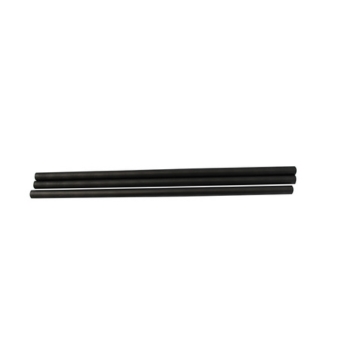

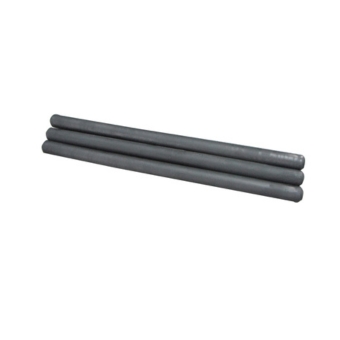
Product Description
Graphite rods are manufactured from selected graphite materials through molding, extrusion, or isostatic pressing, followed by high-temperature graphitization. This process produces a solid cylindrical form with uniform structure, stable electrical properties, and predictable behavior under thermal and mechanical stress.
Depending on application needs, graphite rods can be supplied as raw blanks or precision-machined components with controlled diameter, length, and surface finish. In many systems, they function simultaneously as structural elements, conductive parts, and high-temperature consumables.
Key Material Advantages
High Temperature Resistance
Graphite rods maintain structural integrity at temperatures above 2,000 °C in vacuum or inert atmospheres. They do not melt or soften, and their low thermal expansion helps prevent distortion during repeated heating and cooling cycles.
This makes them particularly suitable for furnaces, thermal reactors, and high-energy processes.
Stable Electrical Conductivity
Graphite rods offer consistent electrical conductivity over a wide temperature range. This stability is essential in applications such as:
Electrodes
Heating elements
Electrolysis systems
Uniform conductivity helps ensure predictable current distribution and controlled energy transfer.
Excellent Chemical Stability
Graphite is resistant to most acids, alkalis, molten salts, and process gases. Graphite rods can operate in corrosive environments where metal rods would oxidize, corrode, or contaminate the process.
Actually, chemical resistance is often the main reason graphite rods outlast metal alternatives.
Good Thermal Shock Resistance
Rapid temperature changes are common in industrial systems. Graphite’s low thermal expansion coefficient allows rods to tolerate sudden heating or cooling without cracking, outperforming many ceramic materials.
Typical Applications
Electrodes and Electrolysis
Used as anodes, cathodes, or current conductors in electrochemical and electrolytic systems.
High-Temperature Furnaces
Applied as heating elements, supports, spacers, or structural rods in vacuum and inert-gas furnaces.
Metallurgical Processing
Used in molten metal handling, casting assistance, and high-temperature reaction environments.
Chemical and Laboratory Equipment
Used in reactors, heaters, and experimental setups requiring chemical inertness and thermal stability.
Semiconductor and Advanced Materials
Applied where purity, stability, and repeatable performance are critical.
Material and Grade Options
Graphite rods can be produced from different graphite structures depending on performance requirements:
Molded graphite for general industrial use
Extruded graphite for long, continuous rod lengths
Isostatic graphite for higher uniformity and strength
High-purity graphite for contamination-sensitive applications
Grade selection often has a greater impact on service life than simply increasing rod diameter.
Dimensional and Machining Options
Graphite rods are available with:
Custom diameters and lengths
Tight straightness and concentricity tolerances
Machined ends, threads, grooves, or slots
CNC machining allows consistent geometry across batches, which is essential for replacement parts and scaled production.