
Graphite rotor

A graphite rotor is a high-temperature rotating component engineered for degassing, mixing, and refining molten metals, especially aluminum and aluminum alloys. In foundry operations, rotor performance directly influences melt cleanliness, gas removal efficiency, and overall casting quality—making material choice more than a mechanical decision.
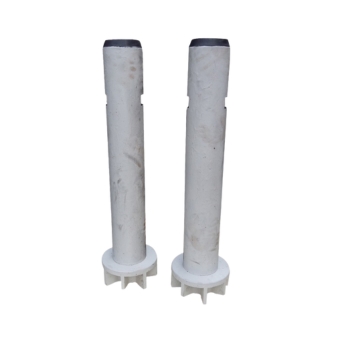
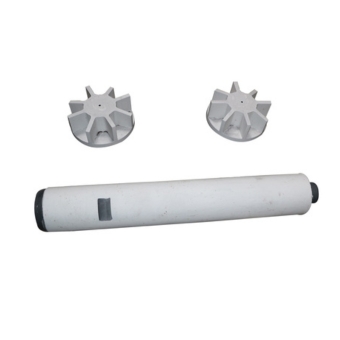
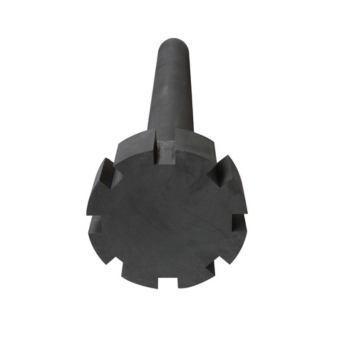
Product Description
Graphite rotors are manufactured from high-density, fine-grain graphite through precision machining and high-temperature treatment. The rotor geometry—shaft, blades, and gas channels—is optimized to operate reliably under continuous immersion in molten metal while rotating at controlled speeds.
Unlike metallic rotors, graphite rotors rely on chemical stability and self-protecting behavior rather than coatings to survive harsh molten environments. This makes them a standard choice in aluminum melt treatment systems.
Key Performance Advantages
Excellent Resistance to Molten Aluminum
Graphite exhibits low wettability and strong chemical resistance to molten aluminum. This reduces metal adhesion and minimizes erosion during operation, helping the rotor maintain shape and balance over time.
In practice, this stability supports consistent degassing performance from the first melt to the last.
High Thermal Shock Resistance
Graphite rotors are frequently inserted into and removed from molten metal. The low thermal expansion of graphite allows the rotor to tolerate rapid temperature changes without cracking—an essential feature for batch and continuous casting lines.
Stable Mechanical Performance at Temperature
At aluminum processing temperatures (typically 650–750°C), graphite retains sufficient mechanical strength to withstand rotational stress and gas injection forces. Properly designed rotors maintain balance and smooth operation throughout their service life.
Efficient Gas Dispersion
The rotor’s blade design and internal gas channels help break injected inert gas (usually nitrogen or argon) into fine bubbles. Smaller bubbles improve hydrogen removal efficiency and inclusion flotation, resulting in cleaner melt quality.
Actually, rotor geometry often matters as much as material grade.
Typical Applications
Aluminum Degassing Systems
Used in rotary degassers for hydrogen removal and melt refinement.
Foundry Melt Treatment
Applied in ladles, holding furnaces, and in-line treatment units.
Continuous Casting Lines
Used where stable, repeatable melt quality is required at high throughput.
Recycling and Secondary Aluminum Processing
Effective in handling variable melt chemistry and impurity levels.
Design and Material Options
Rotor Geometry
Graphite rotors are commonly supplied in:
Straight-blade designs
Helical or spiral blade designs
Customized profiles based on furnace size and gas flow rate
The shaft length and blade diameter are tailored to system configuration.
Graphite Grade Selection
Depending on operating conditions, buyers may choose:
Standard high-density graphite for general degassing
Fine-grain graphite for longer service life
Oxidation-resistant or impregnated graphite for extended campaigns
Suppliers often recommend grades based on rotor speed, immersion depth, and daily operating hours.
Service Life Influencing Factors
Rotor lifespan depends on:
Melt temperature and chemistry
Rotation speed and gas flow rate
Oxidation exposure
Handling during installation and removal
Actually, improper startup—such as inserting a cold rotor directly into molten aluminum—shortens service life more than material choice alone.