
Graphite sheet

A graphite sheet is a flat carbon material engineered for thermal management, sealing, electrical conduction, and chemical resistance across a wide range of industrial applications. Its value lies in versatility: the same material platform can function as a heat spreader, gasket, electrode layer, or protective barrier, depending on grade and structure.
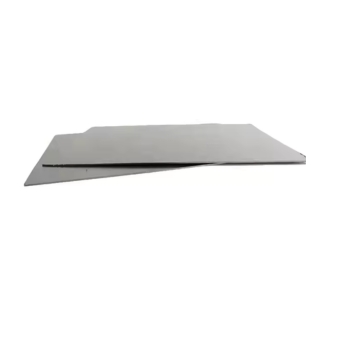
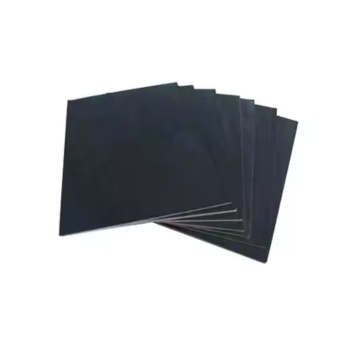
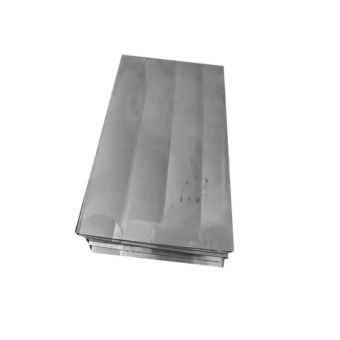
Product Description
Graphite sheets are produced from natural or synthetic graphite through processes such as compression molding, rolling, or exfoliation, followed by controlled heat treatment. The result is a sheet-form material with layered graphite structure, uniform thickness, and predictable physical properties.
Depending on application requirements, graphite sheets may be supplied as:
Flexible graphite sheets
Rigid or semi-rigid graphite sheets
High-purity graphite plates
Laminated or reinforced graphite sheets
Each type serves a different function, but all share graphite’s core advantages: stability, conductivity, and resistance to harsh environments.
Key Performance Advantages
Excellent Thermal Conductivity
Graphite sheets conduct heat efficiently along the plane of the sheet, making them ideal for heat spreading and thermal interface applications. This helps reduce hot spots and stabilize operating temperatures in systems where localized overheating is a concern.
Actually, in many designs, graphite sheets outperform metals on a weight-to-performance basis.
High Temperature Resistance
Graphite sheets remain stable at temperatures exceeding 2,000°C in inert or vacuum atmospheres. They do not melt or soften and maintain structural integrity under prolonged heat exposure.
This makes them suitable for furnace components, thermal shields, and high-temperature gaskets.
Chemical and Corrosion Resistance
Graphite is resistant to most acids, alkalis, solvents, and process gases. Graphite sheets perform reliably in corrosive environments where metals or polymers would degrade.
This chemical inertness is particularly valuable in chemical processing and electrochemical systems.
Electrical Conductivity
Many graphite sheet grades provide stable electrical conductivity, enabling their use in:
Electrodes
Current collectors
Electrolysis systems
EMI shielding applications
Conductivity can be tailored through material selection and sheet density.
Common Applications
Thermal Management
Used as heat spreaders, thermal interface layers, and insulation components in industrial and electronic systems.
Sealing and Gasketing
Applied as high-temperature, chemical-resistant gaskets in piping, valves, and flanges.
Electrochemical Systems
Used as electrode sheets or conductive plates in electrolysis and energy-related applications.
Industrial Furnaces
Used as liners, covers, separators, and shielding plates in vacuum and inert-gas furnaces.
Chemical and Process Equipment
Used where corrosion resistance and temperature stability are required.
Material and Grade Options
Graphite sheets can be supplied in different forms depending on performance needs:
Flexible graphite sheets for sealing and vibration absorption
High-density graphite sheets for structural and electrical use
High-purity graphite sheets for contamination-sensitive environments
Reinforced graphite sheets for improved mechanical strength
Selecting the right structure and density usually has more impact on performance than sheet thickness alone.
Dimensions and Customization
Graphite sheets are available with:
Standard or custom thickness
Cut-to-size dimensions
Machined holes, slots, or profiles
Surface treatments or laminations
CNC cutting and waterjet processing allow accurate shaping without damaging the material.
Handling and Usage Considerations
To maintain performance:
Handle carefully to avoid edge damage
Avoid excessive bending for rigid grades
Store in dry conditions before installation
Clean surfaces gently if required
Flexible graphite sheets tolerate handling well, while rigid sheets require more care.