
Molded Graphite Block

Molded graphite block is a versatile carbon-based material widely used in high-temperature, high-wear, and electrically demanding industrial environments. Manufactured through a pressure-molding process using refined graphite powder and binders, it offers a stable internal structure, reliable performance, and cost-effective scalability for a broad range of applications.
Product Overview
A molded graphite block is formed by compressing graphite raw materials in a rigid mold, followed by baking and graphitization at elevated temperatures. This production method results in a relatively uniform density and consistent physical properties throughout the block. Compared with extruded graphite, molded graphite provides better isotropy, while remaining more economical than fully isostatic grades.
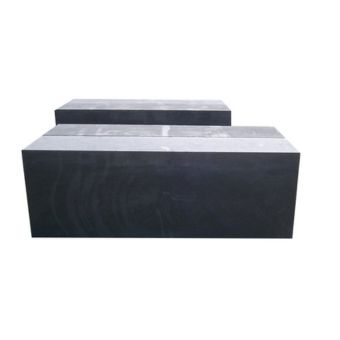
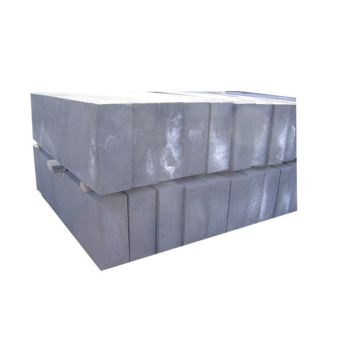
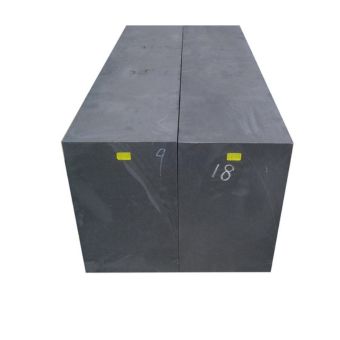
Because of this balance, molded graphite blocks are commonly selected for components that require dependable thermal resistance, good machinability, and stable electrical conductivity without excessive material cost.
Key Material Properties
High Temperature Resistance
Molded graphite blocks maintain structural integrity at temperatures above 2,000°C in inert or vacuum atmospheres. They exhibit low thermal expansion and strong resistance to thermal shock, making them suitable for repeated heating and cooling cycles in industrial furnaces.
Mechanical Strength and Density
Typical density ranges from 1.70 to 1.85 g/cm³, offering a practical balance between strength and workability. The material performs well under compressive loads and resists cracking during service, even in demanding operating conditions.
Electrical and Thermal Conductivity
The uniform microstructure of molded graphite ensures stable electrical conductivity, which is essential for applications such as EDM electrodes and heating elements. Thermal conductivity helps distribute heat evenly, reducing localized stress and extending component lifespan.
Chemical Stability
Molded graphite is chemically inert to most acids, alkalis, and molten metals. Its low wettability minimizes metal adhesion, reducing contamination and improving process cleanliness in metallurgical operations.
Machining Performance
One of the notable advantages of molded graphite block is its excellent machinability. It can be processed using standard CNC equipment, allowing for precise dimensions and complex geometries. Tool wear is relatively low, and surface finishes are consistent, which improves production efficiency and reduces scrap rates. Proper dust control is recommended during machining due to fine graphite particles.
Typical Applications
Metallurgy and Foundry Industry
Molded graphite blocks are widely used for:
Continuous casting molds
Crucibles and liners
Pouring nozzles and launder systems
Their thermal stability and non-reactive nature make them especially suitable for aluminum, copper, and non-ferrous metal processing.
Electrical Discharge Machining (EDM)
In EDM applications, molded graphite blocks are commonly used as electrodes for mold and die manufacturing. They provide a good balance between wear resistance, conductivity, and cost, particularly for medium-precision tooling.
Industrial Furnaces and Thermal Equipment
The material is frequently applied in furnace fixtures, heating plates, support blocks, and insulation components. Its ability to withstand prolonged high temperatures contributes to longer service life and reduced maintenance downtime.
Semiconductor and Electronics Processing
In certain stages of semiconductor and electronic manufacturing, molded graphite blocks serve as structural and thermal components where dimensional stability and purity requirements are controlled but not extreme.
Quality Control and Customization
High-quality molded graphite blocks are produced under strict control of raw materials, molding pressure, and heat-treatment parameters. Important quality indicators include grain size distribution, ash content, and batch consistency.
Manufacturers such as Gotrays offer customized grades and dimensions to meet specific operational requirements, including tailored density levels and machining allowances. This flexibility allows the product to adapt to a wide range of industrial uses.
Packaging and Supply
Molded graphite blocks are typically supplied in rough or semi-finished form, depending on customer needs. Protective packaging is used to prevent damage during transportation, especially for large-format blocks. Stable production processes enable reliable lead times and consistent long-term supply.