
Pan graphite felt

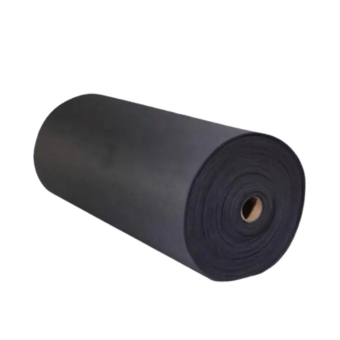
PAN graphite felt is a lightweight carbon insulation material designed for high-temperature thermal insulation, mechanical stability, and cost-efficient furnace operation. Derived from polyacrylonitrile (PAN) fibers, it is widely used in industrial vacuum furnaces and inert-atmosphere systems where reliable insulation performance is required without the premium cost of rayon-based felts.
Product Description
PAN graphite felt is produced by carbonizing and graphitizing PAN precursor fibers at elevated temperatures. The process creates a flexible, porous felt structure with good thermal insulation properties and stable mechanical behavior.
Compared with rayon graphite felt, PAN-based graphite felt typically offers higher mechanical strength and better structural resilience, making it easier to install and handle during furnace assembly and maintenance. For many industrial thermal processes, this balance of performance and cost is exactly what’s needed.
Key Material Advantages
Reliable High-Temperature Capability
PAN graphite felt performs well at:
Up to ~2,000°C in vacuum
Up to ~2,400°C in inert atmospheres
It maintains insulation performance during repeated heating cycles and prolonged high-temperature exposure, supporting stable furnace operation.
Good Thermal Insulation Efficiency
The felt’s interconnected fiber network traps air (or inert gas), reducing heat loss from the hot zone. This helps:
Improve furnace energy efficiency
Maintain stable temperature profiles
Reduce heating element load
In practice, consistent insulation often contributes more to process repeatability than higher heater power.
Strong Mechanical Integrity
PAN-based graphite felt generally has:
Higher tensile strength than rayon-based felt
Better resistance to tearing and handling damage
Improved resilience during installation
This makes it suitable for larger furnaces or environments where insulation is frequently accessed or adjusted.
Chemical Stability
PAN graphite felt is chemically inert to most process gases, acids, and alkalis. It does not easily react with furnace atmospheres, supporting long service life in controlled environments.
Physical Characteristics
Typical characteristics include:
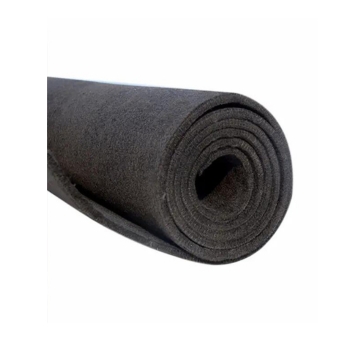
Flexible, compressible structure
Uniform fiber distribution
Moderate density with good rebound after compression
Easy cutting and shaping on site
These properties allow PAN graphite felt to conform to furnace walls, doors, and complex hot-zone geometries.
Common Applications
Vacuum Heat Treatment Furnaces
Used as hot-zone insulation in sintering, brazing, and annealing furnaces.
Inert Gas Furnaces
Applied in argon or nitrogen atmospheres for metal and ceramic processing.
General Industrial Thermal Processing
Suitable for carbonization, debinding, and high-temperature material treatment.
Laboratory and Pilot Furnaces
Used where cost control and ease of installation are important.
Layered Insulation Systems
Often combined with graphite foil, rigid carbon board, or multiple felt layers to optimize insulation performance.
Supply Forms and Options
PAN graphite felt is commonly supplied as:
Rolls
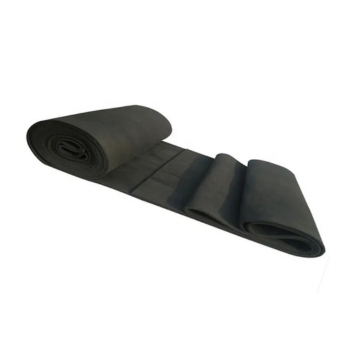
Sheets
Custom-cut pieces
Thickness and density can be selected based on furnace size, operating temperature, and insulation design.
Installation and Usage Notes
For optimal performance:
Install in multiple layers rather than one thick layer
Avoid excessive compression, which reduces insulation efficiency
Use clean cutting tools to minimize loose fibers
Store in dry conditions before installation
Actually, over-compressing felt is one of the most common installation mistakes—and it directly reduces insulation effectiveness.